



-

2026.07.29
Anti-Climbing System vs Traditional Fence Security: Which Protection Is Better?
Physical security threats are becoming increasingly complex as critical facilities, industrial sites, and private infrastructures face higher risks of unauthorized access. While traditional fences have been widely used as a basic security barrier, they mainly provide passive protection and cannot actively identify intrusion attempts before damage occurs. Modern security strategies are shifting from simple physical barriers to int...
-

2026.07.07
Computer Privacy Screen vs Anti-Photography Screen: Which Solution Provides Better Visual Security?
As businesses become increasingly dependent on digital information, protecting sensitive data is no longer limited to network security and access control. A confidential document displayed on a monitor can still become a security risk when viewed by unauthorized people or captured by cameras. Traditional visual protection tools such as privacy filters have helped reduce accidental screen exposure, but modern workplaces face more ...
-
2026.06.17
Open Government Offices: Why Your Monitor Is the Weakest Link in Data Security
Every government office has layers of digital protection — encrypted networks, access-controlled databases, mandatory password policies. What most of them do not have is any meaningful protection for the computer monitor sitting in plain view. That screen, displaying live case files, citizen records, or law enforcement data, is accessible to anyone in the room with a smartphone and fifteen seconds of proximity. No login required. No...
-

2026.06.04
How Ground Sensors Detect Intruders Before They Reach the Fence
Perimeter security has evolved significantly over the past decade, yet many facilities still rely heavily on fences, surveillance cameras, and motion detectors as their first line of defense. While these systems remain valuable, they often identify threats only after an intruder has already reached the protected boundary. For critical infrastructure, industrial facilities, data centers, military installations, and energy sites, e...
-
2026.05.21
How Intelligent Ground Sensors Stop Perimeter Breaches
Securing critical infrastructure requires more than basic fences. Modern intruders can easily bypass traditional physical barriers by utilizing covert climbing, cutting, or subterranean tunneling techniques. To effectively counter these evolving threats, enterprise security demands invisible, proactive intelligence. Facilities must detect, classify, and neutralize physical threats before the perimeter is actually compromised. ...
-
2026.05.08
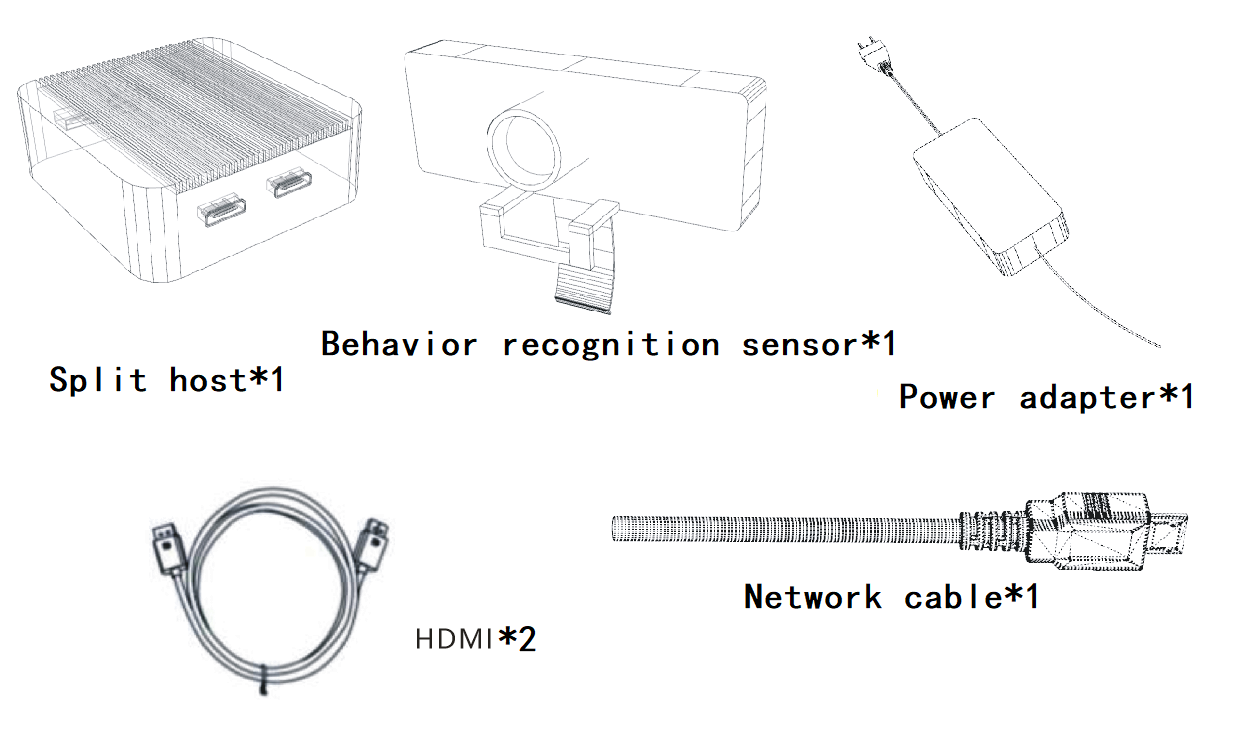
Active Privacy Monitors vs. Films: Stopping Visual Hackers
In the contemporary corporate landscape, millions of dollars are poured annually into sophisticated firewalls, zero-trust network architectures, and robust cryptographic protocols. Yet, an alarming systemic vulnerability remains completely exposed in plain sight: the physical computer screen. Every day, sensitive financial records, proprietary source code, and strategic corporate roadmaps are displayed in high resolution, vulnerable...
-
2026.04.26
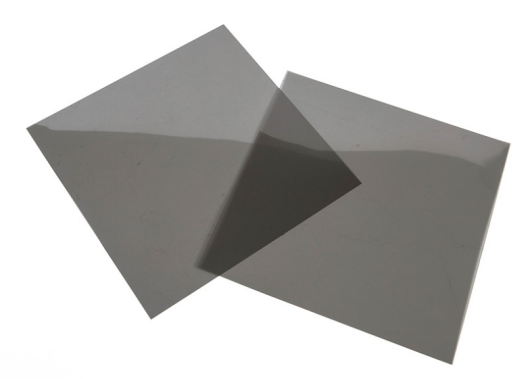
Optical Camouflage: Standard Privacy Filters vs. Anti-Photography Screens
The modern corporate workspace is plagued by invisible vulnerabilities. While IT departments invest heavily in digital firewalls, highly confidential data displayed on physical monitors remains completely exposed to malicious actors. Protecting visual information from high-resolution smartphone cameras requires far more than basic plastic films. It demands sophisticated optical engineering to ensure absolute privacy, neutralizing...
-
2026.04.09
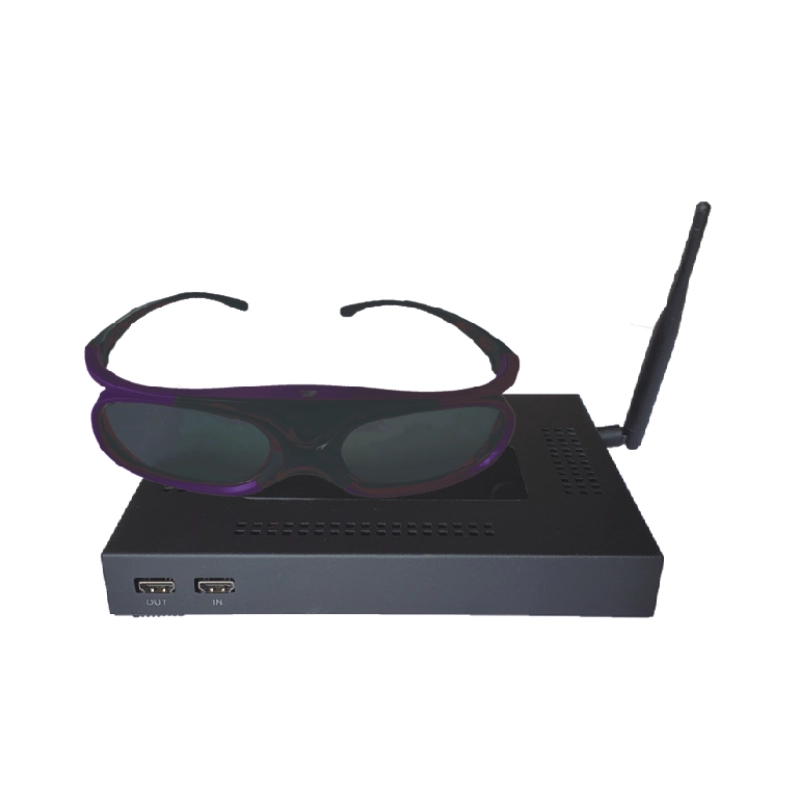
RF Sweepers vs. Anti-Camera Systems: The Ultimate IP Defense
Corporate espionage is evolving rapidly, rendering traditional physical security measures dangerously obsolete. While companies invest heavily in digital firewalls, illicit hidden lenses remain a critical threat to intellectual property in physical meeting spaces. To bridge this crucial gap, modern enterprises are turning to advanced active optical detection. Partnering with proven industry leaders like Shenyang Sheng Hunting Sof...